

Rains: Every corner of India tells a monsoon story
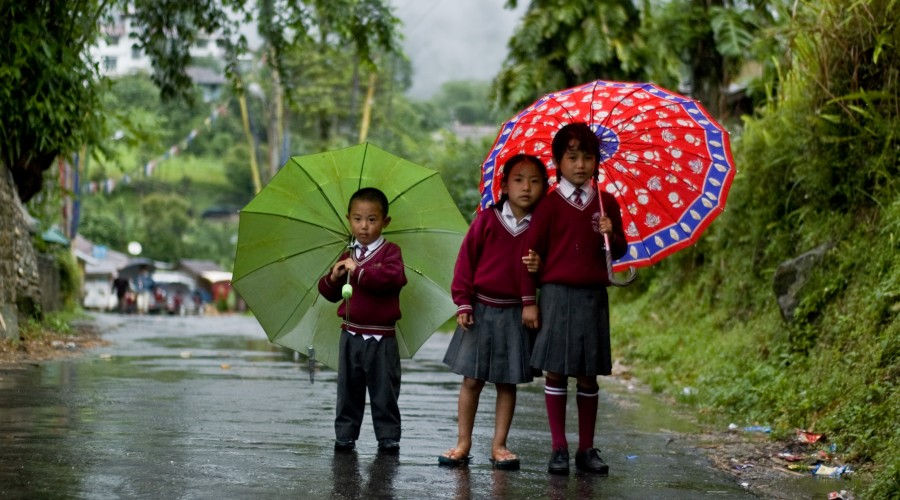
The etymology of the word monsoon is not wholly certain. The English monsoon came from Portuguese monção ultimately from Arabic موسم (mawsim, “season”), “perhaps partly via early modern Dutch monson”.
Rains bring a lot in their wake
While they bring hope to the farmer, a question mark hangs. Would it rain through the season, and rain enough, and rain just in time for the sowing, to promote good crop growth and later a good harvest? A bit more at the wrong time, or a bit less for that matter, and the economy can go for toss.
The smiles sported in June and July, depending on where one lives on the Indian subcontinent, may quickly disappear. The monsoon’s sweep, starting from Kerala normally on or around June 1, is significant in India. Its progress is diligently marked daily by the by the Indian Met.
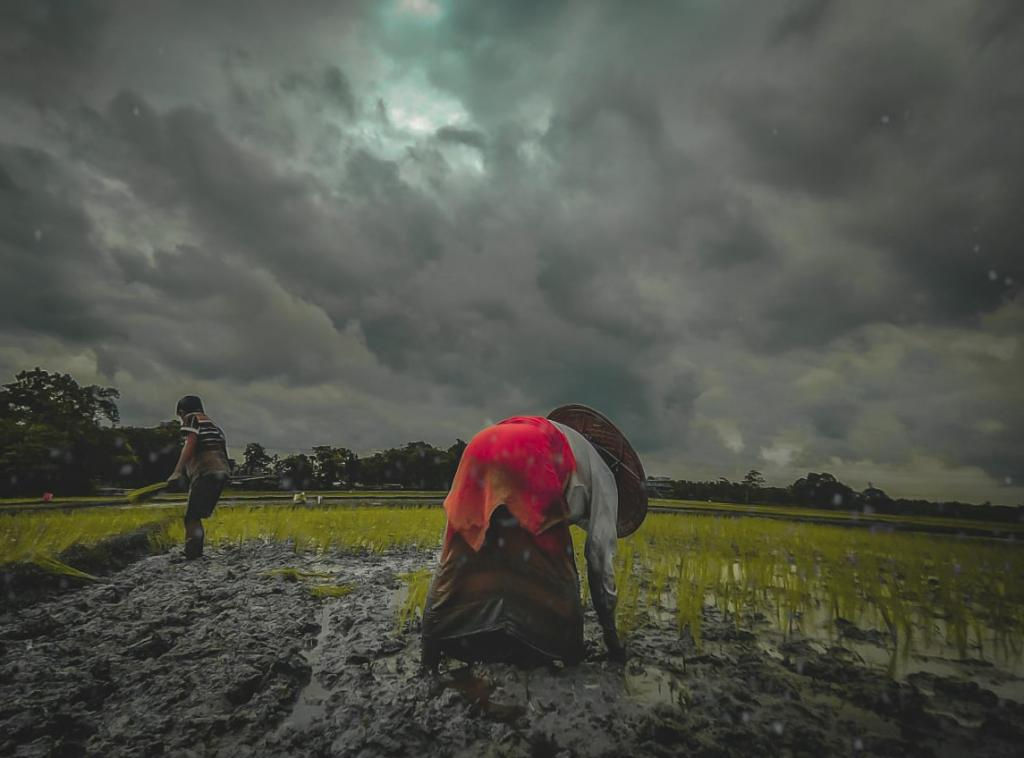
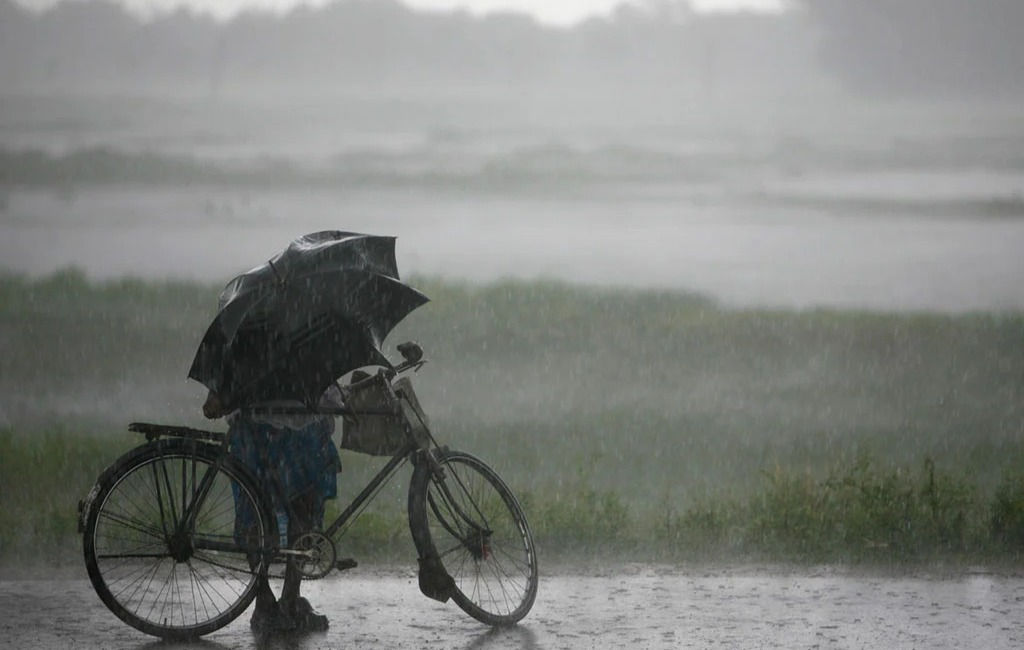
The idiotic but hackneyed pictures of a farmer, generally old with a wrinkled face, his hands shading the eyes, looking skyward in May when clouds are a rarity, go off the newspaper pages. The first monsoon pictures of people scurrying for cover caught without umbrellas, or someone dancing with joy hit the morning news.
Suddenly the trees appear new, squeaky clean, the dust accumulated through the Indian summer washed away, the green appearing refreshingly, well, green. Even the buildings – towers and squat bungalows – seem they have returned freshly laundered. Even the tiled roofs and the shanties take on a glow, at least their roofs do. It is literally entering a new season.
Origin of Monsoon in India and its impact
The origin of the word monsoon is from the Arabic Mausim, meaning “season”. The name originally referred to wind reversals in the Arabian Sea but has come to mean the whole range of phenomena associated with annual weather cycles in Tropical and Subtropical Asia, Australia, and Africa. Here we concentrate on the South Asian monsoon, the great weather system that dominates life on the subcontinent.
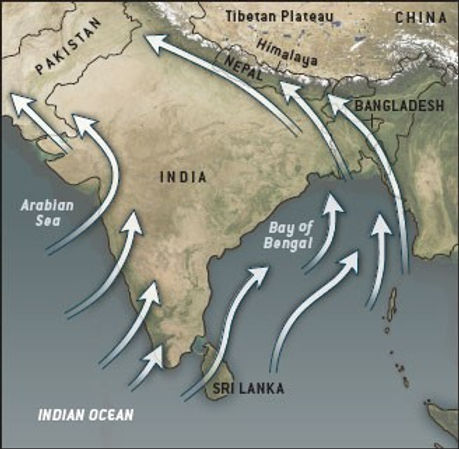
Origin of the Monsoon
Let’s first take a look at the physical and scientific aspects of monsoon.” Monsoons are seasonal winds which reverse their direction of flow with the change of seasons”. Now, why these winds change their direction, there are many reasons attributed to this reversal but the oldest and the most significant is the differential heating (given below) of land and air. In summer, moist air is carried northwards from the Indian Ocean over the Indian subcontinent, bringing rains, however in winter, cool, dry air is carried southwards from the subcontinent.
Thus, the year is divided into wet and dry seasons. In addition, a short north-east monsoon affects the south-east coastal states of India, due to winds bringing moisture from the Bay of Bengal.
The summer winds originate in an area of high pressure in the southern Indian Ocean and cross the equator before blowing onshore. The air thus acquires abundant moisture on its northward journey, which fuels convection and storm cloud development during the summer monsoon. The summer monsoon arrives in southern India in late May or early June and gradually advances northwards and westwards, reaching Pakistan by early July. The monsoon begins to retreat from Pakistan by the beginning of September and has usually withdrawn from southern India by early December.
This pattern of advance and withdrawal gives the Indian subcontinent its characteristic seasonal rainfall pattern. Pakistan has a short summer rainy season, with generally light rainfall, whereas areas like the Ganges-Brahmaputra Delta have a longer, heavier monsoon. Annual rainfall totals are typically 10,000 mm (10 meters) per year in this region. The northern extent of the monsoon in India and Nepal is governed by the presence of the Himalayas. Monsoon storm systems typically rise 10km into the air, and the great Himalayan peaks rise to a substantial proportion of this (commonly 7 km). Thus, they act as a major topographic barrier, preventing the northward flow of moist air and maintaining the arid climate of Tibet.
Similarly, in the winter, the Himalayas prevent the southward flow of cold air, keeping the winters of northern India milder than they would otherwise be. Earlier it used to believe that monsoon winds flows due to the differential heating of land and sea but in recent times different theories, regarding the origin of monsoon, are proposed by scholars, some of them are air mass theory, jet stream theory, etc, which define the monsoon phenomena with the help of different factors.
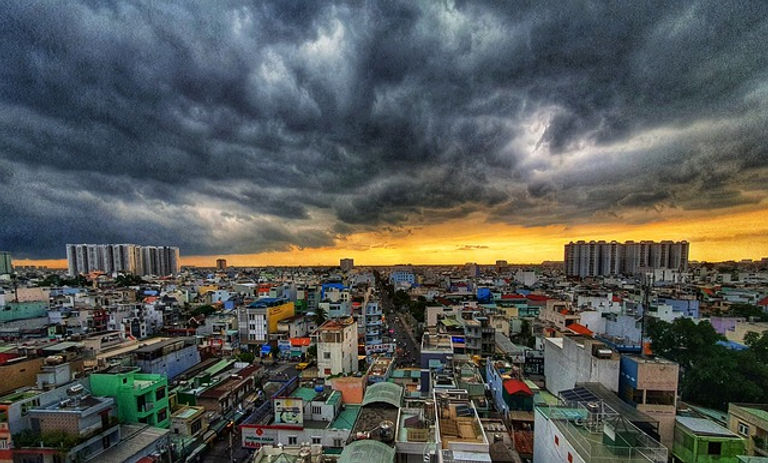
There are not some particular factors responsible for the origin of monsoon, it depends on a huge number of factors, out of which some are known and some might be affecting it indirectly, like the El-Nino effect (Meteorologist believe that the severe drought of 1987 in India was caused by El-Nino), la-Nina effect, contrary to the El-Nino, is the harbinger of heavy monsoon in India, and southern oscillation are some of the major factors affecting the strength of monsoon, however, some scholars like P. Koteswarm believe that monsoon is largely affected by the temperature of Tibetan plateau.
Influence on India
India’s three fourth of the total annual rainfall is received from the Monsoon. Hence maximum rainfall all over the country is caused by southwest monsoons arriving from the Indian Ocean.

The normal date of arrival of the monsoon is 20th May in Andaman and Nicobar Island, and its entry in Kerala i.e. the first place of entry in the mainland of India is 1st June. However, the actual onset may be earlier or later than this date. The earliest onset was on 11th May in 1918 and 1955, while the most delayed onset was on 18th June in 1972. Satellite imagery is used to identify the advance of the Monsoon. Monsoon winds beyond Kerala are bifurcated into two branches, the Arabian sea branch and the Bay of Bengal branch.
The monsoon reaches Mumbai by 10th June, the central part by 15th June, and arrives in Kolkata on 7th June. By the end of June Monsoon is usually established over most parts of the country, but only as a feeble current because, by this time, it has shed much of its moisture.

During the rainy season, particularly in July and August, there are certain periods when monsoons become weak. The clouding decreases and rainfall particularly cease over the country. This is known as a break in the monsoon. The breaks are believed to be brought about by the collapse of the Tibetan High.
We can say that the Indian climate could be considered a Monsoonal climate as it is dominated by monsoon. The diversity in the Indian climate is all because of the variable nature of the Indian Monsoon. The monsoon may advance much before its due date or may be considerably delayed. The amount of rainfall is also variable owing to several factors.
The variability of rainfall in time and space plays havoc with agriculture which shatters the very foundation of the economy in a predominantly agricultural country like India. Rain generated by the monsoon critically affects the life and economy of the country.
Indian agriculture largely depends on monsoon showers for the irrigation of cropland. Due to the lack of a proper irrigation system, the failure of monsoon results in a crippling economy. It is often said Indian budget is a gamble in the Monsoon.
In fact, monsoon is the pivot upon which the whole economic life of India swings. Hence we can say the monsoon is the backbone of the Indian economy. Nowhere else in the world, so many people over so vast land are so intimately wedded to the monsoon regime as they do in India.

If I Were a Season, I’d be Monsoon.