
History of Malvan city!
Why named Malvan?
In numerous old books and articles, some reference happens as follows
To a great extent established coconut trees (Frantic) framed a grove(wan), so it was named madwan and after certain years it became Malwan.
Certain individuals express that in the days of yore here salt was created in huge amounts. Tremendous salt dishes were available in Malvan. Salt makers use the term ‘Lavan’ for salt and the term ‘Mahalavan’ is where you get more salt. Consequently, it became Malvan.
Malvan was a worldwide port that was bringing in and trading A-1 nature of merchandise and materials, In Marathi, products are known as ‘Maal’, Merchandise of A-1 quality signifies ‘Maal-A-1’ Subsequently the named ‘Malvan’.
The blossoms of ‘Undal’ (Calophyllum inophullum) and ‘Surang’ (Ochrocarpos longipholius) trees are called ‘Malya’ in Sanskrit, and ‘wan’ signifies wilderness. A wilderness of ‘Undal’ and’ Surang’ blossoms is called ‘Malya wan’, which becomes Malwan.
Malvan was a little fishing villa, only one of the numerous on the Konkan coast before the fluctuating Marathas revived it. Especially under their most prominent pioneer Chhatrapati Chhatrapati Shivaji Maharaj, who in 1664 embraced the assignment of raising the gigantic stronghold of Sindhudurg, on an island simply off Malvan. Particularly, the extraordinary hero ruler contributed his actual work to its development. That is the reason, in Sindhudurg, you’ll find the engravings of Chhatrapati Shivaji Maharaj’s own hands and feet protected in a chunk of lime.
It might be said that the island’s normal benefits, its rough outcrop, and its reef-impeded harbor were great for stronghold. However, building a post while battling the Mughals and English at the same time, that too in only three years, appears to be an overwhelming errand even at this point.
Malvan was a little fishing village, only one of the numerous on the Konkan coast before the fluctuating Marathas revived it. Especially under their most prominent pioneer Chhatrapati Chhatrapati Shivaji Maharaj, who in 1664 embraced the errand of raising the monstrous stronghold of Sindhudurg, on an island simply off Malvan. Interestingly, the extraordinary fighter lord contributed his actual work to its development. That is the reason, in Sindhudurg, you’ll find the engravings of Chhatrapati Shivaji Maharaj’s own hands and feet safeguarded in a section of lime.
It might be said that the island’s regular benefits, its rough outcrop, and its reef-impeded harbor were great for stronghold. In any case, constructing a post while battling the Mughals and English at the same time, that too in only three years, appears to be an overwhelming errand even at this point.
It is accepted that north of 15,000 tons of iron was utilized in the castings and that its establishment stone was laid in lead. Furthermore, as though this wasn’t sufficient, the Marathas under Chhatrapati Shivaji Maharaj is likewise accepted to have braced the close by the island of Padmagad and fabricated several strongholds north of Malvan town in the central area! It was and stays a staggering accomplishment, and the legend of Sindhudurg’s development has contributed a lot to Chhatrapati Shivaji Maharaj’s pre-famous situation in Maharashtrian cognizance as the triumphs he pulled off against the Incomparable Mughals and the Bijapur rulers.
It’s a pity that not much is been aware of Maratha’s maritime ability except for the records of the English who to a great extent saw them as ‘privateers’. Assuming in 1765 the Maratha naval force bragged 85 frigates, that would have spelled more than ‘robbery’ to the English! Envision, what Malvan Straight’s priority resembled then – loaded up with boats and calls to arms. Around the turn of the eighteenth 100 years, one Maratha ruler and his naval force were placing anxiety toward God into the English and the Portuguese. Malvan is where you can go to the pages of history for a brief look at those memorable conflicts.
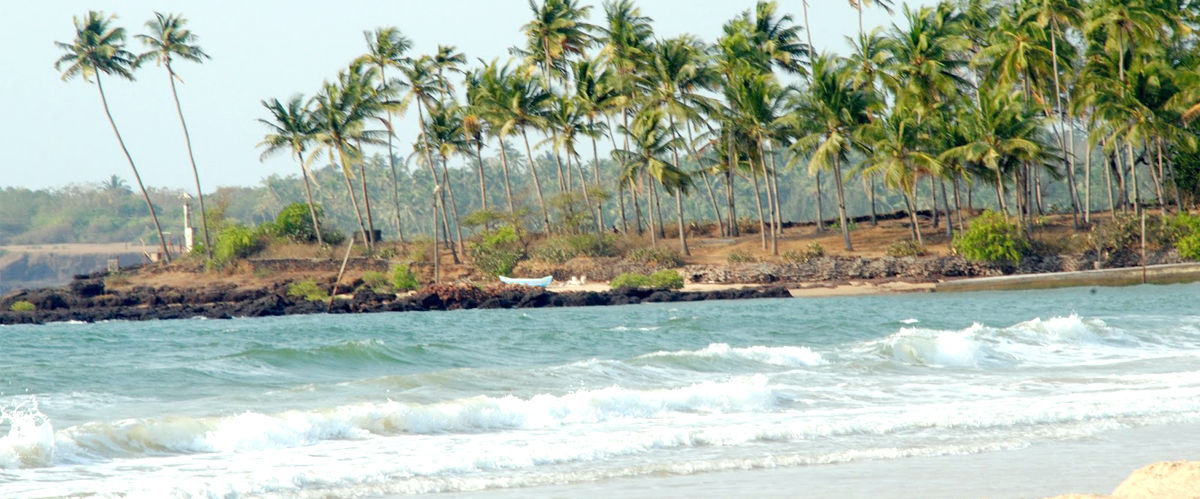
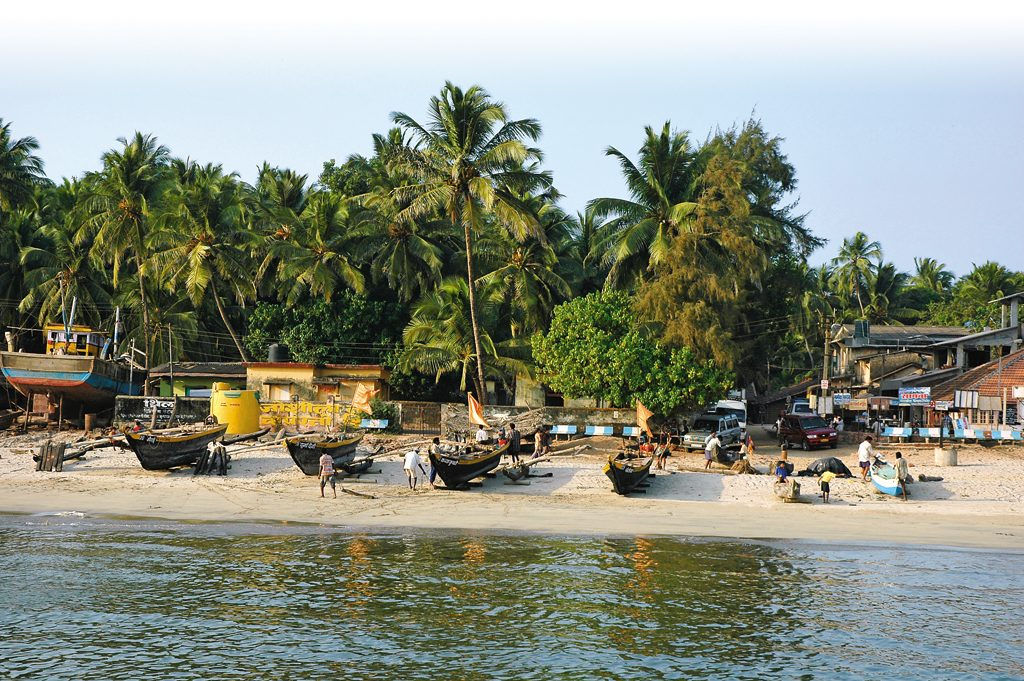
Yet again today, Malvan’s waters are home to anglers. The coast hushes up, perfect and incredibly gorgeous. At the point when the white sands just barely get through your toes on the Tarkarli Oceanside, you can pardon yourself for relinquishing the memory of fighter rulers and slipping into a dream sustained exclusively by a glass of chilled lager.
Things to See and Do
To zero in on Sindhudurg Stronghold alone would do treachery to Malvan’s numerous different charms. Like the long, untainted stretches of sand, the reasonably welcoming waters, and the racket of fishing boats returning following a day’s catch. Envision the spread to be had, the prawns, the crabs, the sol kadi, the wealth of Malvani food.
Tarkali Oceanside
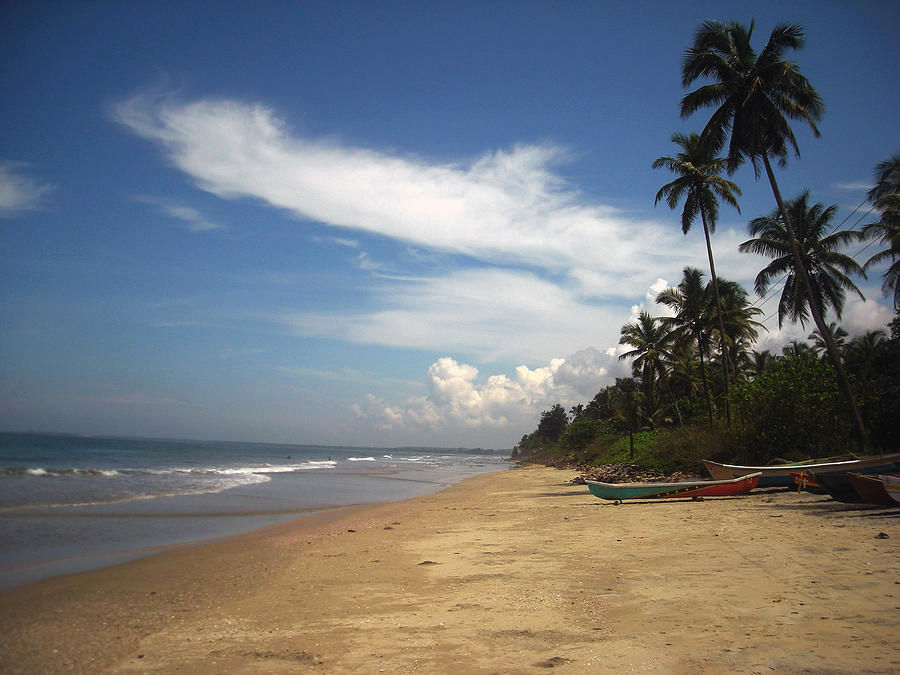
If at any point the clichã© ‘immaculate’ was suitable for an ocean side, this is all there is to it. Found 7km south of Malvan, at the juncture of the Karli Waterway and the Middle Eastern Ocean, the Tarkarli Ocean side has fine white sand. This is additionally one of a handful of stretches where one can see through completely clear waters, very nearly 20 ft profound. With some karma, you might try and sight a few dolphins or maybe a turtle lounging in the sun.
The waters here can turn harsh and deceptive, so swimming just on the exhortation of neighborhood fishermen is ideal.
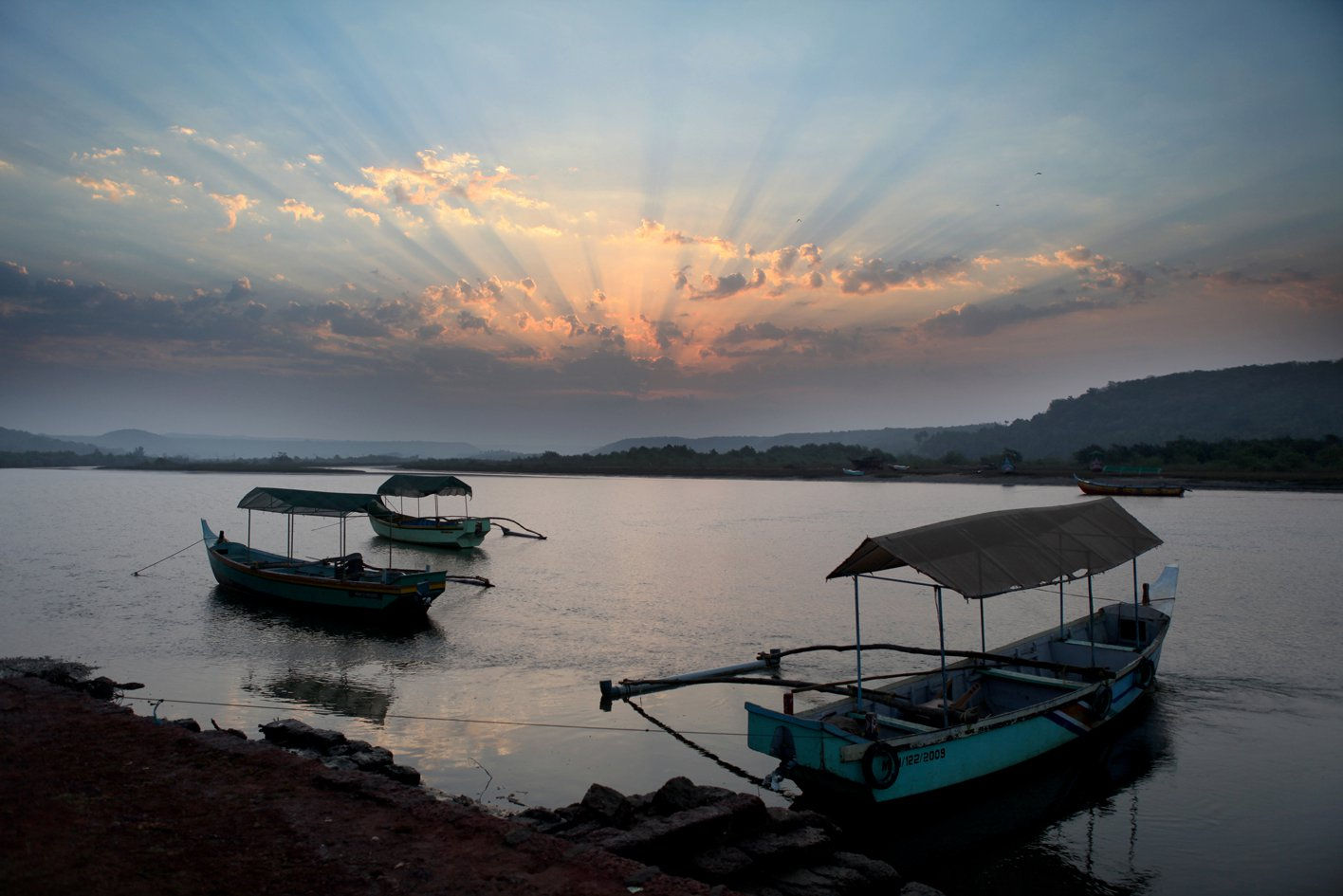
South of Tarkarli is Deobagh town, a decent spot to recruit a boat and float along the stream. Try not to miss a houseboat voyage along the Karli backwaters. Contact MTDC for subtleties.
Different Sea shores
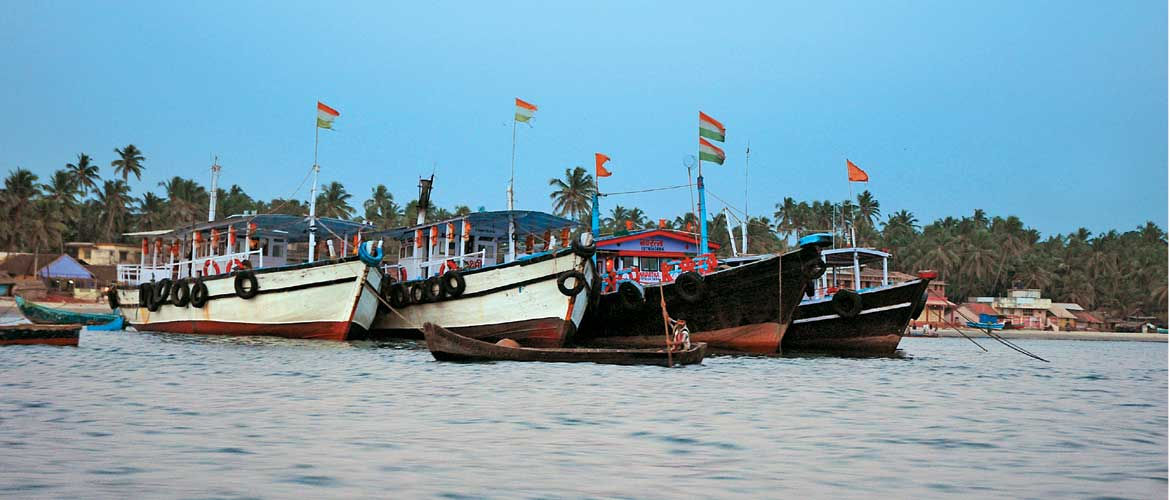
The Malvan Ocean side and the pier where most anglers anchor their boats buzz with life. If you’re there somewhere in the range of 5 and 7 pm, pursue the uncommon open door of seeing the fish sell off! Get yourself some and have it cooked at one of the many bars or cafés here. On the other hand, attempt the wonderful admission at the agreeable eating joint, Khot.
Conversely, Chivla Ocean side, lining Malvan town toward the northwest, is a small stretch of clean sands and clear waters that offers, joyfully enough, a chance to laze and watch the sun go down. Attempt the neighborhood fish at Silver Sands, a little café here. Further down, the Asra Mahal Ocean side has an unassuming government rest-house from where one can watch the ocean from a good way sitting on a low wall. At long last, there are Tandavali (19 km), an ideal sandy ocean side without a spirit in sight, and Achara, ideal for dolphin spotting in October and February.
Sindhudurg Stronghold
Simply a portion of a kilometer off the central area is this persevering through a declaration of Maratha power. The story goes that having picked the site after his powerlessness to wrest Janjira Stronghold from the Sidis, Chhatrapati Shivaji Maharaj named it Shivdurg after himself.
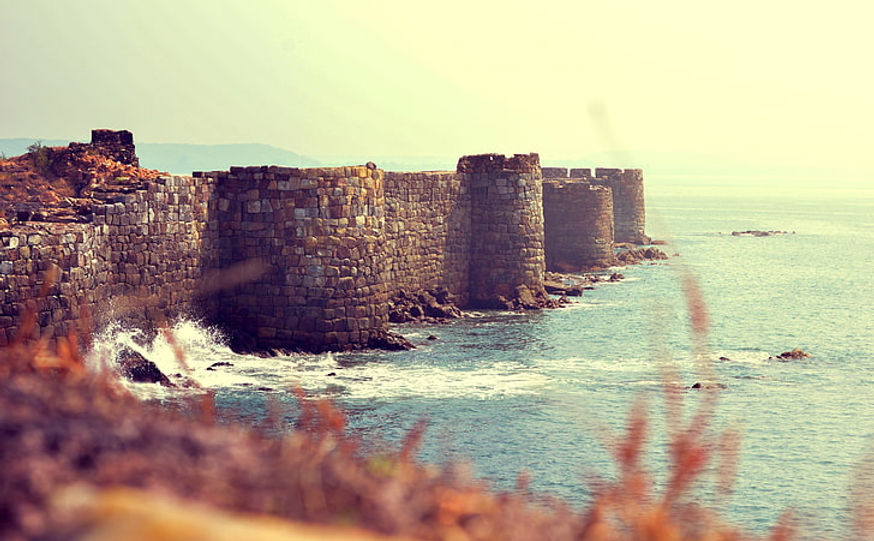
It was based on a stone island known as Kurte Bet. Starting in 1664, north of 6,000 artisans, smithies, and workers worked for more than three years to assemble it. It has: 3 km of crisscrossing defenses, 12-ft thick and 30-ft high walls, 53 strongholds, and 32 expansive crescent arrangements delegated its head. These pinnacles have embrasures for cannons. Over the post’s transcending entry are engravings of Chhatrapati Shivaji Maharaj’s hands and feet. Inside are sanctuaries devoted to Mahadeo, Jarimai, Mahapursh, and Bhavani and hutments of a couple of families professing to be the relatives of Chhatrapati Shivaji Maharaj’s workers.
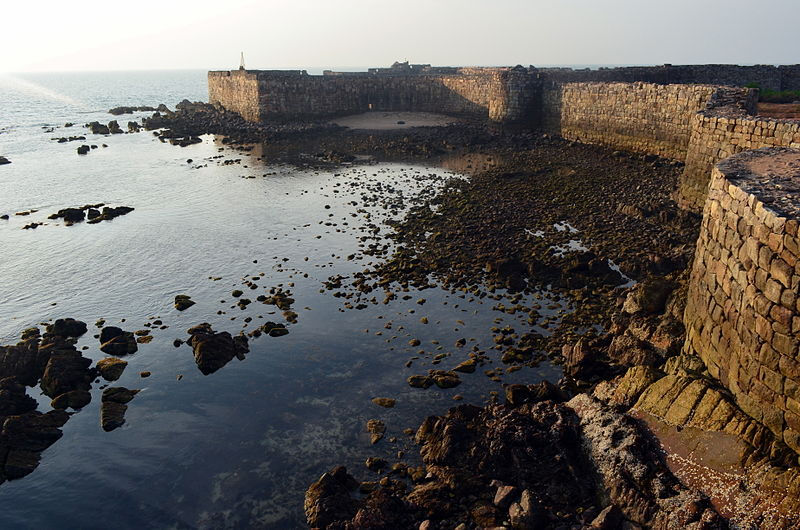
However, the most one-of-a-kind sanctuary here is the one committed to Chhatrapati Shivaji Maharaj, the Shree Shiv Chhatrapati Sanctuary, the main sanctuary where the Maratha legend is loved. His deity is a surprising one-a non-whiskery, silver-covered picture. On its lap is a sword – emblematically the Bhavani. The first fell into English hands after the Raigarh Post fell in 1818. The sanctuary was worked by his child Rajaram in 1695 after his dad’s passing and has turned into a journey of sorts for Chhatrapati Shivaji Maharaj’s numerous devotees.
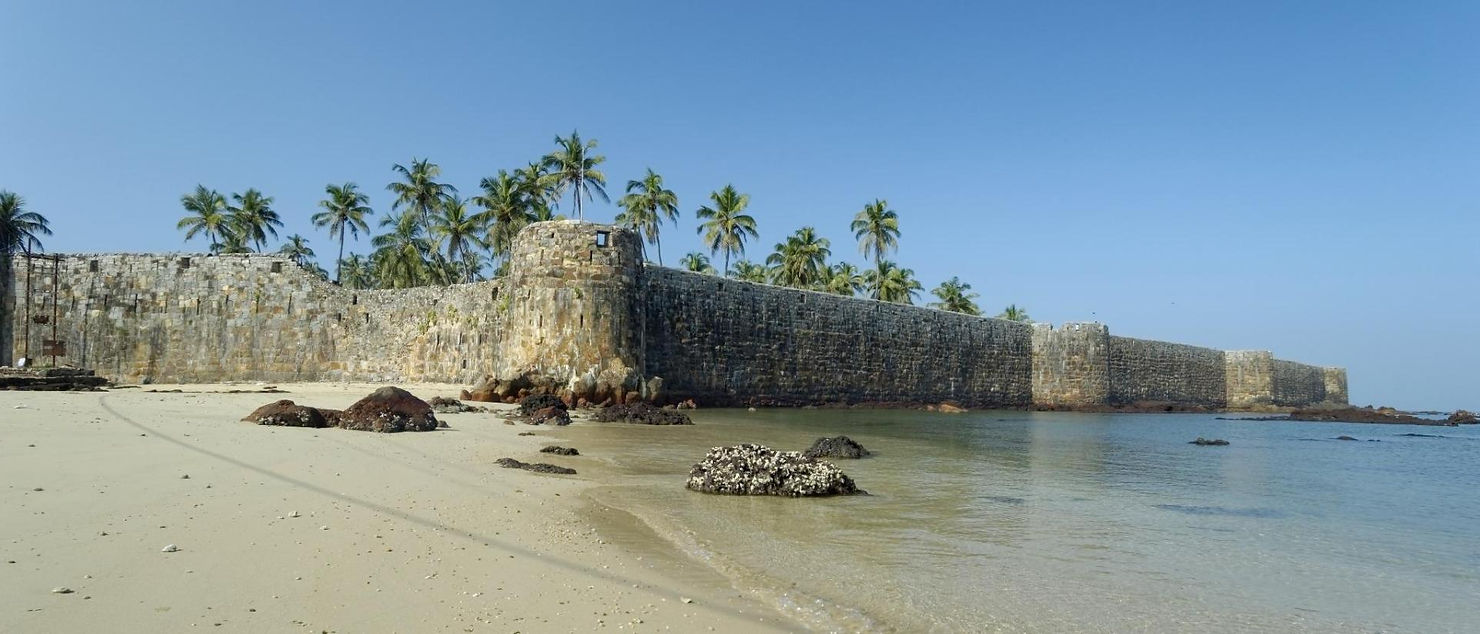
The Post Preservation Trust runs ships to Sindhudurg from the Malvan breakwater. Boatmen bend over as guides (at no additional charge).
Around Malvan
DEVGAD
A Maratha maritime power, which at one time boasted 600 vessels, was concentrated around Devgad, Vijaydurg, and Sindhudurg. Devgad is home to the remnants of one more post worked in 1729 by Dattajirao Angre, Chhatrapati Shivaji Maharaj’s maritime commandant. Just bulwarks of this stronghold remain today separated from a beacon raised by the English in the late eighth 100 years.
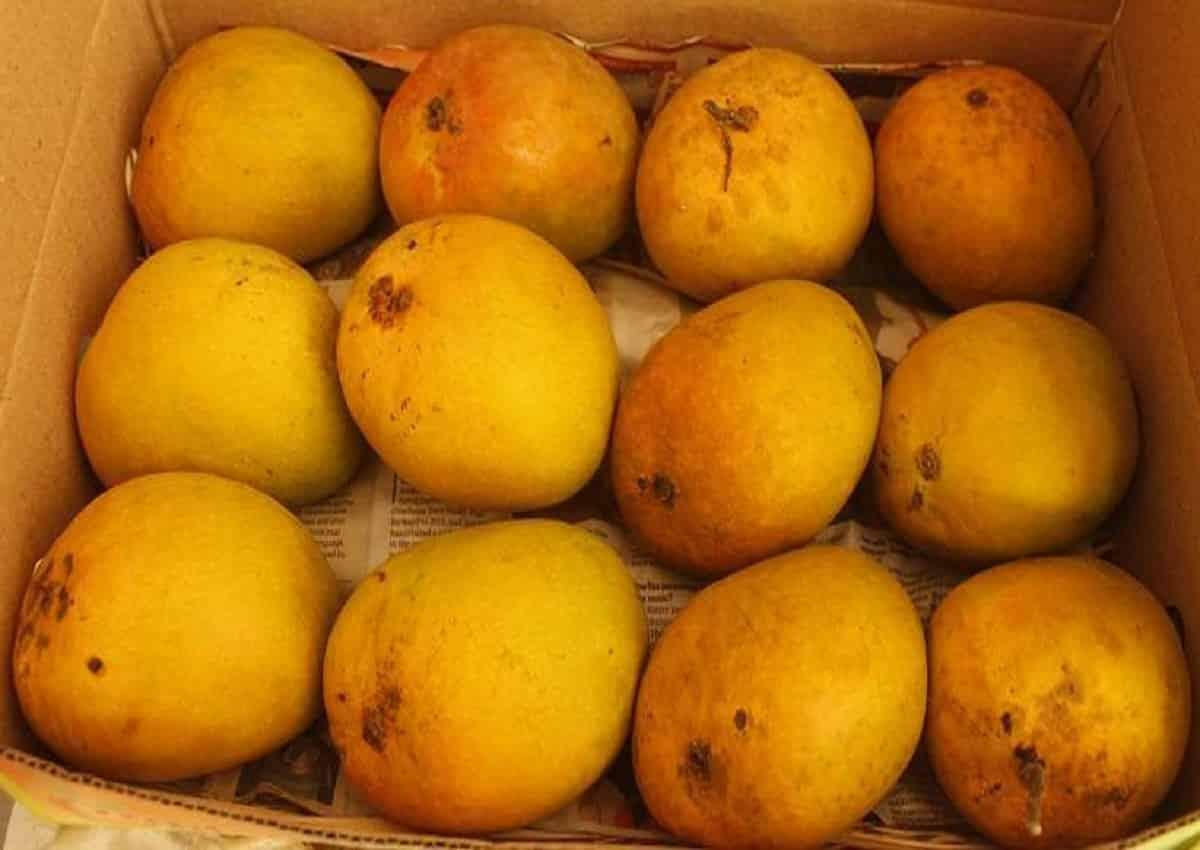
Stop here for the popular Alphonso mangoes filled in these parts in April and May. It’s accessible for anything somewhere in the range of ₹300 and 500 for every kilo. Steep, however worth the effort.
The most effective way to get to Devgad (an 11/2 hrs drive) is through Achara and Kunkeshwar (27 km). This course is a lot more limited than going through NH17 and the street is sensibly great.
Kanhoji Angre’s base, Vijaydurg Post, used to loot European boats
VIJAYDURG Stronghold
Vijaydurg Stronghold (2 hrs away) remains where a wooden post existed before, said to be worked by Raja Bhoj II of the Panhala Shilahar line in 1193. It was revamped by the Bijapur Kings in the sixteenth 100 years and Chhatrapati Shivaji Maharaj added three further layers of strongholds, 27 strongholds, and 300 firearms in 1654. Its bright history owes a lot to Kanhoji Angre, who involved this post as a base to loot European boats towards the finish of the seventeenth hundred years.
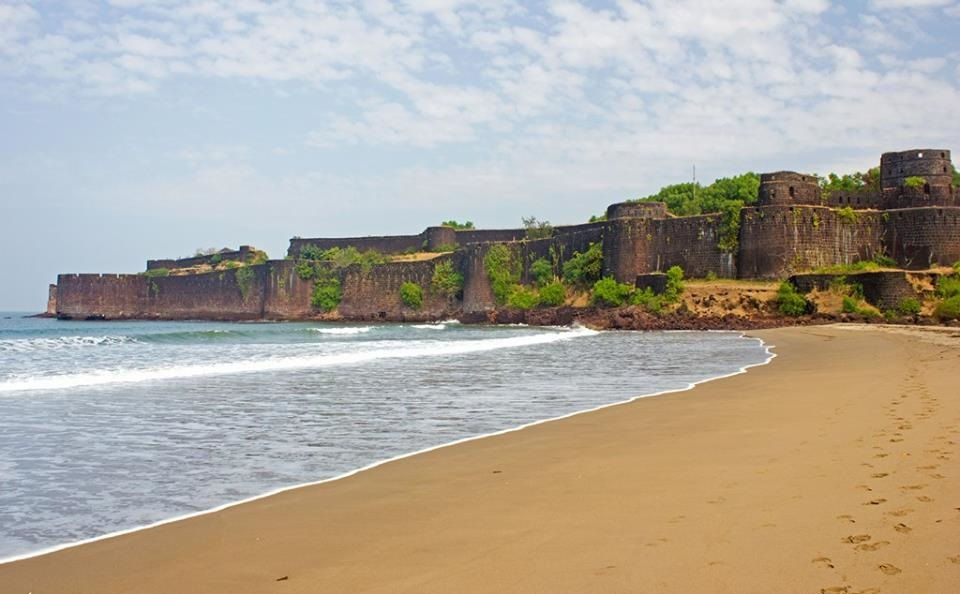
Huge walls conceal different designs like khalbatkhanas (secret gathering rooms), bhuyaars (secret underground entries) and jaangi, 100-150 ft walls constructed 4 meters under the ocean and intended to get close enough to adversary’s vessels before they arrived at the port. Climb the round tower that ascents from the most elevated piece of the post, from where you can see the wide spread of the Bedouin Ocean.
Prior to Chhatrapati Shivaji Maharaj
Accessible verifiable records uncover that Chalukyas held influence over the area between the 6th and eighth 100 years. They were trailed by the leaders of Devgiri (tenth 100 years) and Vijaynagar (fourteenth hundred years ). Adilshahi control came in the fifteenth century observed by the Maratha guideline of Chhatrapati Shivaji Maharaj in the sixteenth 100 years and English rule in the seventeenth 100 years.
Malvan town was involved in two primary regions Medha and Dewoolwada. The encompassing area of around 3 Km was mucky and damp. Medha was an Island while Dewoolwada was the land’s end. Bamboo woodland enclosed the Medha region which was populated by Bhandari(Tree tappers as well as manual works) and Gabit (Anglers) people group. Kayak (Light Fall less boat) was the main method of transport between Medha and Dewoolwada.
West Coast area was exposed to go after by Siddhis, Portuguese, and English. Adilshahi rule took the cake in this regard. Neighborhood individuals along these lines lived-in environments of dread and terrorizing. Kushes, Sapales, and Malaps are generally comprised of the Sahukar people group. Khem Sawant of Sawantwadi who was the fief of Adilshah controlled Malvan for his rulers. Portuguese of Goa tingling to add on the Malvan district conflicts with Adilshaha’s warriors at Achare and Karli Rivulet The last option was limited in the fight. Khem Sawant found in this a chance to separate from Adilshahi’s grasp. Adilshaha understands this so he sent Rustumizma to battle against Sawant. Sawant moved toward Chhatrapati Shivaji Maharaj for help. According to the treat endorsed on 5/3/1659, Sawant consented to be faithful to Chhatrapati Shivaji Maharaj’s rule; however, before long sold out Chhatrapati Shivaji Maharaj. Sawant began to help Adilshaha. In the deal, Sawant got ownership of Malvan in 1664. Chhatrapati Shivaji Maharaj then, at that point, sent his power to get control over Sawant.
Rule of Chhatrapati Shivaji Maharaj
Before Chhatrapati Shivaji Maharaj, the Obliteration of sanctuaries and their change into mosques was a typical practice in the Konkan locale. Constrained transformation to Islam was a normal issue for the unfortunate segments of Hindu society. The most horrendously awful situation was the acknowledgment of bondage and administration under the kings by the Hindu rulers.
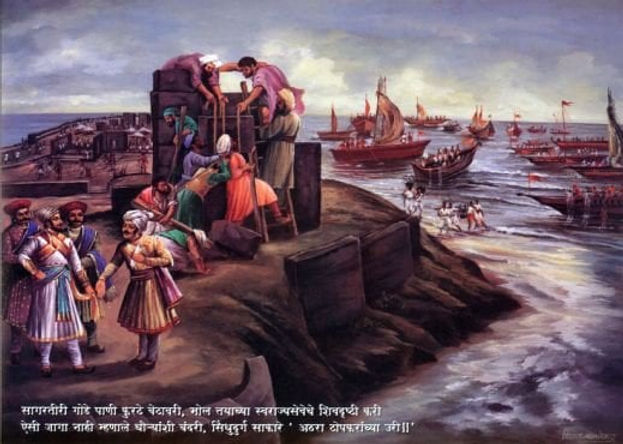
At such time, Chhatrapati Shivaji Maharaj, an honorable soul sent down on earth by God in reply to the starknesses rehearsed by numerous holy persons in medieval times. The Maratha lord from that point did whatever it may take to safeguard the west coast. Chhatrapati Shivaji Maharaj was the primary Indian lord to lead land and/or water-capable activities, i.e., joint assault utilizing cavalry, armed force, and naval force. In the wake of visiting places like Vengurle, Dabhol, Anjanvel, Vijaydurga, Devgad, Ratnagiri, Palgad, and Janjeera with these in view. He favored Kurte Island close to Malvan for that reason and on the tenth, of November 1664, started the development of the Sindhudurga fort, which was finished in 1667. To strengthen the principal stronghold, more modest posts were fabricated viz, Rajkot, Sarjekot, Bharatgad, Bhagwant stray, Nivati, and so forth. These ocean strongholds used to be the sanctuaries for his naval force and stayed secure from the foe who didn’t have a naval force. This used to likewise assist in really taking a look at exercises of the maritime powers with loving the English, the Portuguese, and the Abyssinians.
Due to the Sindhudurga post, the wind blowing from the south heading quieted down and the power of lapping waves on the beach is diminished. Finally, A long extended band of silver sand made in an east-west course. Individuals of Gabit and Bhandari people groups came here and settled by building their homes. Two equal streets were developed to join Medha and Dewoolwada. The southern street is close to Malvan port so it generally became swarmed. Individuals remaining across the street began to sell vegetables, food, and other homemade things. After certain years a major market is laid out on a similar street. Presently days, That spot is known as Malvan City.
After Chhatrapati Shivaji Maharaj
After Chhatrapati Shivaji Maharaj’s demise in 1680, his child Sambhaji succeeded in the privileged position. That was the start of when the Mughals’ attempts to get traction in Konkan. After Sambhaji, Rajaram comes to a lofty position for some time. His significant other Tarabai who succeeded him couldn’t coexist with his step-sibling Shahu. Rani Tarabai shared with the guard of the Konkan coast the forthcoming Kanhoji Angre. Be that as it may, Angre hammered out an agreement with Shahu entrusting the seaside guard to him. Even though, Malvan-Panhala Belt has stayed with Tarabai. In 1731, by a settlement between Shahu and Sambhaji raje Bhosale, Malvan – Panhala belt went under Bhosale and Malvan turned into the base camp of the most dynamic and disastrous of the coast privateers.
English, according to their approach, attempted to play Peshave against Angre. After the last option’s loss, with the assistance of Peshave, the English attempted to acquire strength in the waterfront district. Their boats began to go into the Konkan locale. They, notwithstanding, needed to confront resistance from the neighborhood Sardar. The Organization then request English power under the major Gorden and Watson to catch the stronghold. In 1766, Rani Jijabai Karveerkar from Kolhapur went in to deal with the English and got back to the stronghold Sindhudurga.
In this way, Sawant was compensated by the title of ‘Raje Bahadur’ from the Mughal head in 1785. the reality that Peshvas as well as Kolhapur rulers could have done without. Both sent their soldiers to battle with Sawant at Sawantwadi. They catch Gandharva stray, Rangana, Narasinhgad, and Nivati and in the process, they lay out their camp at Vengurla. Sawant requested help from the Portuguese. On showing up with the assistance of the Portuguese, troops of Kolhapur came to Malvan.
In 1792, Malvan reeling under a serious draft. It required two years for things to settle down.
Around that time, the English began longing for laying out their power over India. Incensed by the provocation of their maritime business vehicles. English sent their soldiers to Bhosale who were administering on Sindhudurga post. Bhosale entered into a deal under which the English open their most memorable business settlement at Malvan, in 1792. Since Theft isn’t halted, In 1802, all imports and products in Malvan reached a stop by English. Following 4 years, they opened up Malvan port on kind solicitation of Portuguese and Kolhapurkar.
By 1818, the English got Triumphs in bringing the whole district under their influence An ocean course is opened between Vengurla and Vijaydurga. A locale including 37 towns like Masure(11), Kandalgaon, Couke, Amberi, Amdos, Salel, Malvan, Salgaon, Revandi, Verle, Hadi, Devali, Maldi(17), Dangmode, Ovaliye, Asarodi, Vayangavade, Kirlos, Shirvade, Khotle, Hiwale, Golwan, Warad, Kalase, Talgaon, Nandos, Dhamapur, Pendur, Parad, Kumame and vengurla was framed. This came to be known as the Malvan region. A legal court is laid out in Malvan in 1822. This was the most seasoned legal court of Malvan. The year 1864, saw the formation of the area court in Ratnagiri. Thus Malvan was made into Tahsil, which least the social and business significance of Malvan.
Malvan Port became useful in 1850. Ships with competitors and kayaks were utilized for transporting merchandise. These boats were to be moored close to the present Chiwala ocean side. Bombay Steam Route (BSN) sent off steam traveler administration in 1875-76. This was trailed by India Co-usable Route and Exchanging, Ratnagiri Steam Route Organization, Sindhia organization, Transportation Partnership of India, and Choughule organization. After a mishap in the ‘Rohini’ Boat in Rajkot Rocks, the Transportation administration finished forever, It was 1973.
‘Nagar Vachan Mandir’, the current city library was laid out in 1914. During the English system, the library was known as Victoria Essential Library. A free understanding room and library were likewise started in 1923 at Bharad. Today it’s known as ‘Chhatrapati Shivaji Maharaj Vachan Mandir’. In 1900, Malvan has a Grampanchayat to take care of city clothing types. It was raised to stream of Municipal company in 1917/18. Street transport was in confidential areas till 1950 when the preset State Transport Partnership was framed. Around the same time power age began in Malvan.
The old Ratnagiri locale bifurcate in 1981 and come to be framed as another Sindhudurga region. The name was Sindhudurga sustaining the memory of Chatrapati Chhatrapati Shivaji Maharaj.
What to Eat – Malvani Cuisines
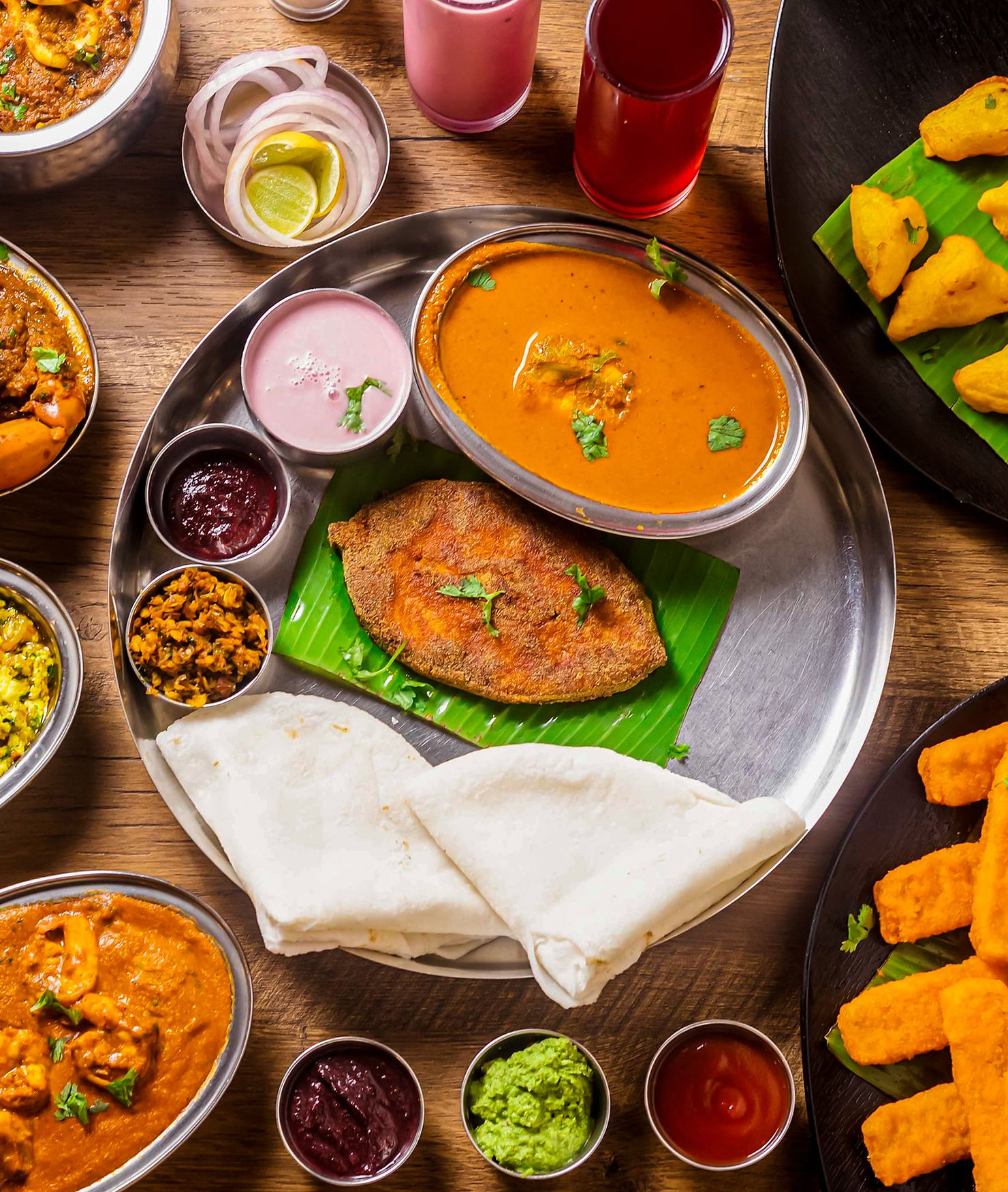
Malvani’s cooking is particular. The utilization of a nearby natural product, kokum (garcinia), and a smidgen of coconut is all that the profound-hued sauce and brilliant fish curries need. Mackerel, kingfish, prawns, and pomfret are liked and eaten generally bubbled.
There are more than 50 recipes for mackerel alone; the more famous of these are trifalancha, kalputi, and dabdabeet. Then there is chamchamit masali tikhle (a mix of mackerel and pomfret), zanzanit kombdi suke (dry chicken), kolambi fry (prawns), mori, kalva and tisryachi suke (assortments of fish and shellfish). A typical fish thali would incorporate fish curry, rice, vegetables, roti, and sol kadi.
A well-known diner in Malvan town, Chaitanya is a piece costly yet the food is brilliant. Additionally, do go to Arun Bhojanalaya and Bamboo House. At Tarkarli Oceanside, don’t miss rava-broiled bangada, kukurit bombil, zanzanit kekra, tisryachi kodi, and chamchamit kekdyacha masala at the covered rooftop Sapan Eatery. You could likewise eat under the blue-and-white shades of MTDC’s Sagar Darshan, at Gajanan’s covered shack, or Mithbhavkar’s home.
“If a tree, which is not a highly elevated living entity, can be so tolerant and merciful to give sweet mangoes even when hit by anyone; being a king, should I not be more merciful and tolerant than the tree?”
– Chhatrapati Shivaji Maharaj
Leave a Reply